

1. Mud Tubes on Foundation Walls
Subterranean termites, the most common and destructive species in the United States, build mud tubes to travel between their underground colonies and food sources (your home's wood structures). These pencil-sized tunnels protect them from predators and help maintain the humidity they need to survive.
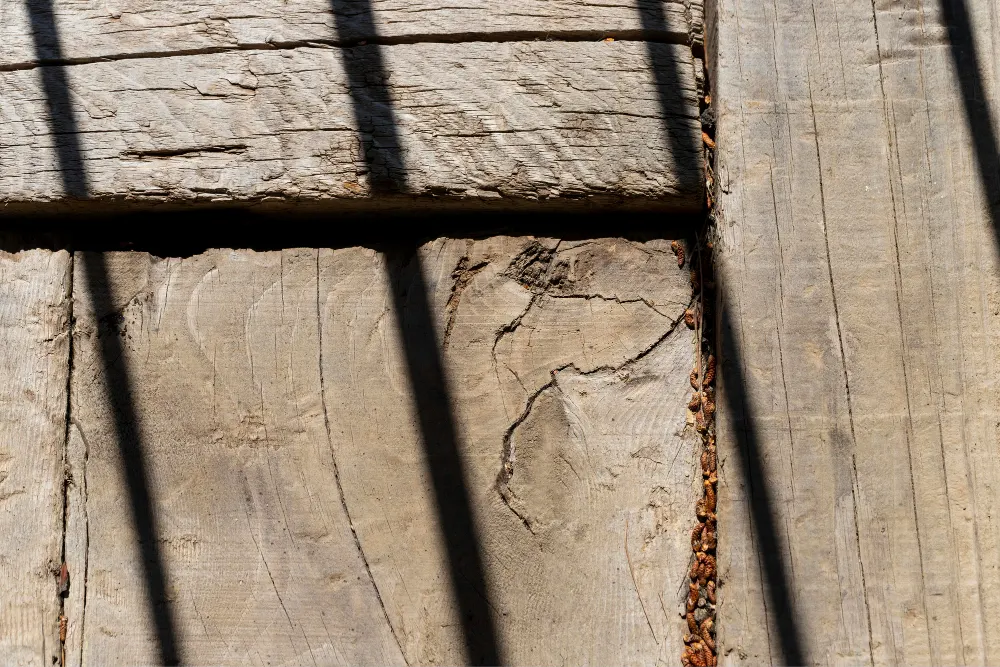
Where to look: Check your foundation walls, crawl spaces, basement, and around plumbing penetrations. Mud tubes are most commonly found on the interior of foundation walls, but they can also appear on exterior surfaces.
Professional Insight
If you find mud tubes, don't break them open yourself. Intact tubes can help our technicians determine if the infestation is still active. Contact a professional immediately for proper assessment and treatment.
2. Hollow-Sounding Wood
Termites consume wood from the inside out, often leaving just a thin veneer of wood or paint. When they've been feeding on structural wood, it may sound hollow when tapped. This happens because termites eat the springwood (softer, less dense growth rings) and leave the summerwood (denser growth rings), creating a honeycomb pattern inside the wood.
How to test: Lightly tap on wood surfaces with a screwdriver handle. Solid wood will produce a dull thud, while termite-damaged wood often produces a hollow sound or may even crack under light pressure.
Pro Tip
Pay special attention to areas where wood contacts soil, such as door frames, window frames, and structural posts. These are common entry points for termites.
3. Discarded Wings Near Windows and Doors
During swarming season (typically spring, but varies by region and species), reproductive termites grow wings to fly out and establish new colonies. After finding a mate, they shed their wings. Finding piles of identical-looking wings near windows, doors, or light sources is a strong indicator of termite activity.
How to identify termite wings: Termite wings are all the same size, translucent, and about ¼ to ½ inch long. They're often found in small piles since many termites shed their wings at the same location.
Termite vs. Ant Swarmers
| Feature | Termite Swarmers | Ant Swarmers |
|---|---|---|
| Wing Size | All four wings same size | Front wings longer than back wings |
| Body Shape | Straight waist, uniform body width | Pinched waist, distinct body segments |
| Antennae | Straight, bead-like | Elbowed (bent) |
4. Frass (Termite Droppings)
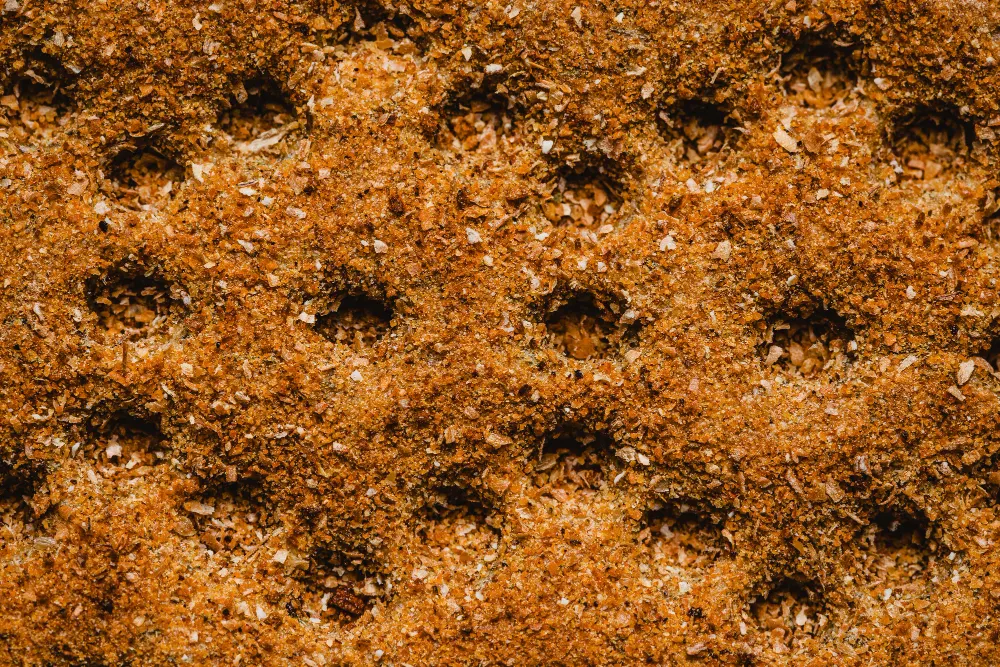
Drywood termites, unlike their subterranean cousins, don't use their feces to build tunnels. Instead, they push their excrement out of small kick-out holes in the wood they're infesting. These droppings, called frass, accumulate in small piles and resemble sawdust or coffee grounds.
How to identify frass: Termite frass consists of hexagonal-shaped pellets that are all roughly the same size. If you look closely with a magnifying glass, you can see they have six distinct sides.
Important Distinction
Unlike sawdust, which contains random-sized pieces, termite frass consists of uniform pellets. If you find frass, it means there's an active drywood termite colony somewhere above the pile.
5. Difficult-to-Open Doors & Windows
As termites tunnel through wood, they introduce moisture. This moisture causes wood to warp and swell, making doors and windows difficult to open or close. Many homeowners mistake this for humidity-related swelling or foundation issues, but it can be a sign of termite damage.
Why this happens: Termites need moisture to survive, and their activity introduces water into wood structures. The combination of tunneling and moisture absorption causes wood to swell and distort, affecting how doors and windows fit in their frames.
When to Suspect Termites
If doors or windows that previously worked fine suddenly become difficult to operate—especially if it's not during a particularly humid season—consider having a termite inspection.
What to Do If You Suspect Termites
If you've noticed any of these signs in your home, it's crucial to act quickly. Termites work 24/7, and damage can progress rapidly once an infestation is established.
Don't Disturb Evidence
Avoid breaking open mud tubes or disturbing frass piles, as this can help professionals assess the situation.
Document What You See
Take clear photos of any signs you've found to show the pest control professional.
Schedule an Inspection
Contact a licensed pest control company for a thorough inspection. Many offer free assessments.
Get Multiple Quotes
If treatment is needed, consider getting quotes from 2-3 reputable companies before deciding.
Need a Professional Termite Inspection?
Our certified technicians use advanced detection equipment to identify termite activity—even when it's not visible to the untrained eye.


Sarah Johnson
March 16, 2025Thank you for this informative article! I found some wings near my window last week and was worried they might be termites. After reading this, I'm pretty sure they are. I've scheduled an inspection with your company for next Tuesday.
Robert Chen
March 17, 2025The comparison table between termites and ants was particularly helpful. I always get them confused during swarming season. This will help me identify which pest I'm dealing with in the future.
Maria Garcia
March 18, 2025I had no idea that difficult-to-open doors could be a sign of termites! I just thought my house was settling. I'm going to do some more investigating and may schedule an inspection. Thanks for the valuable information!