Discover essential security measures to protect your cloud infrastructure from evolving threats and vulnerabilities.

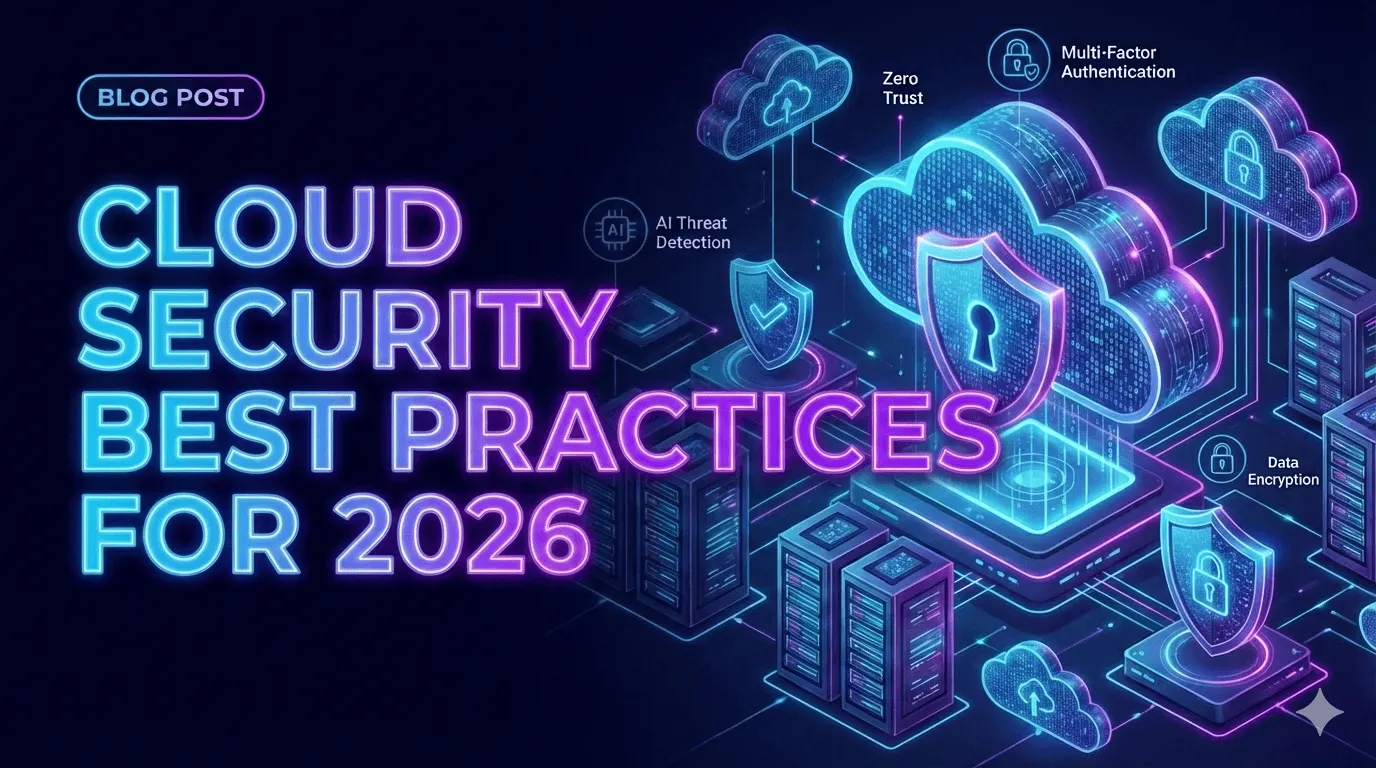
Cloud computing has revolutionized how organizations manage and store data. However, with increased adoption comes increased security challenges. In 2025, securing your cloud infrastructure is more critical than ever. This comprehensive guide will walk you through the best practices to protect your assets and maintain compliance.
Cloud environments face numerous threats ranging from misconfigured access controls to sophisticated cyber attacks. Understanding these threats is the first step toward building a robust security posture. Common threats include:
A successful cloud security implementation requires a multi-layered approach. Start with the foundation:
As cloud security evolves, several best practices have emerged as essential for modern organizations:
Depending on your industry, you may need to comply with various regulations such as GDPR, HIPAA, or PCI DSS. When selecting cloud services and implementing security measures, ensure they meet your compliance requirements. Regular compliance audits and documentation are essential.
Cloud security is not a one-time implementation but an ongoing process. By adopting these best practices and maintaining a proactive security posture, you can significantly reduce the risk of breaches and protect your organization's valuable assets. Remember, security is a shared responsibility between your organization and your cloud provider. Stay informed, stay vigilant, and stay secure.

A comprehensive guide to containerization and orchestration with Kubernetes.
Read Article →
Understand the importance of data protection and how to implement robust security frameworks.
Read Article →
Learn how to manage your infrastructure efficiently using Infrastructure as Code principles.
Read Article →