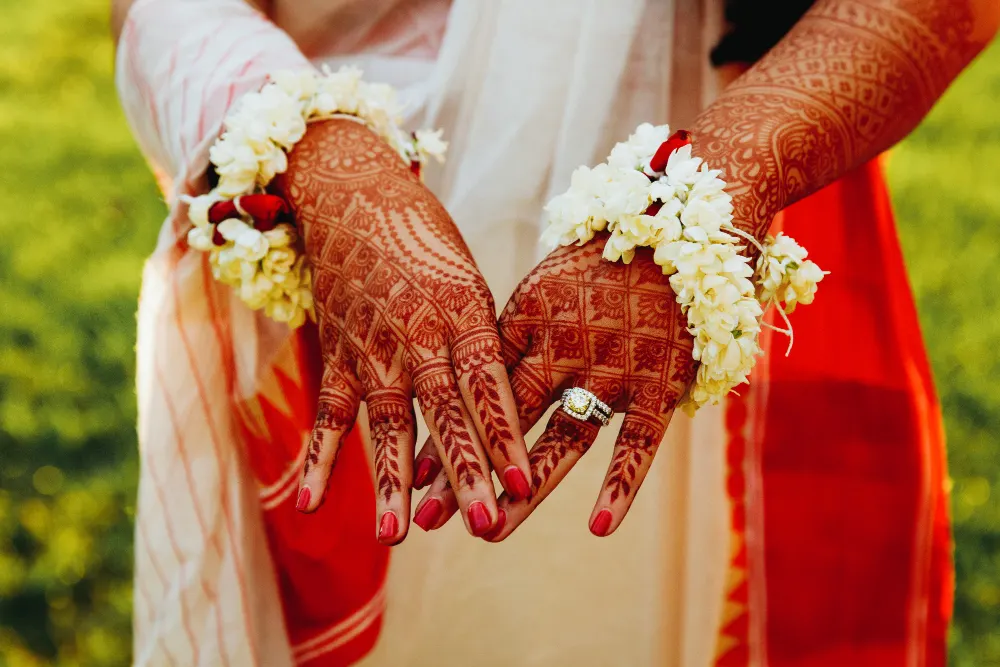
Indian weddings are a vibrant tapestry of rituals and ceremonies, each with deep cultural significance. From the initial Chhab ceremony to the final Kankupagla, every ritual tells a story and blesses the couple's journey ahead.
In this comprehensive guide, we'll explore the rich traditions behind each ceremony, their symbolic meanings, and how modern couples are adapting these customs while preserving their essence.
The Chhab Ceremony: Beginning the Celebration
The Chhab ceremony marks the official beginning of wedding festivities. Traditionally held at the bride's home, this ritual involves:
- Installation of the ceremonial umbrella (Chhab)
- Blessing of the wedding materials
- First gathering of both families
- Traditional songs and dances
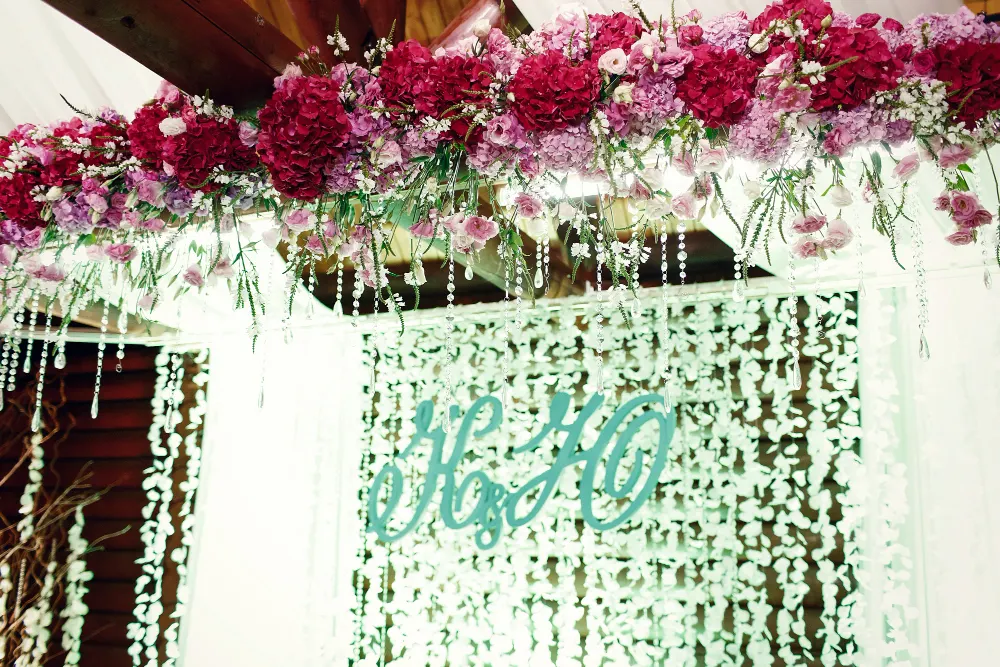
"The Chhab ceremony isn't just decoration - it's the first sacred space created for the wedding, symbolizing divine protection over the couple's journey."
Vanarasam: The Forest Ritual
Rooted in ancient traditions, the Vanarasam ceremony connects the couple to nature. This beautiful ritual typically includes:
Symbolism
Represents the couple's connection to nature and the cyclical nature of life.
Modern Adaptations
Many couples now use sustainable materials and potted plants that can be replanted.
The setup typically features fresh greenery, flowers, and sometimes even small trees arranged in a mandap-like structure. The couple exchanges garlands under this natural canopy, symbolizing their union with nature's blessings.
Mehendi: More Than Just Decoration
The Mehendi ceremony has evolved from a simple application of henna to an elaborate pre-wedding celebration. Key aspects include:
- Intricate designs with hidden initials of the groom
- Traditional songs and dances performed by women
- Bridal mehendi that often takes hours to complete
- Modern fusion designs incorporating contemporary elements
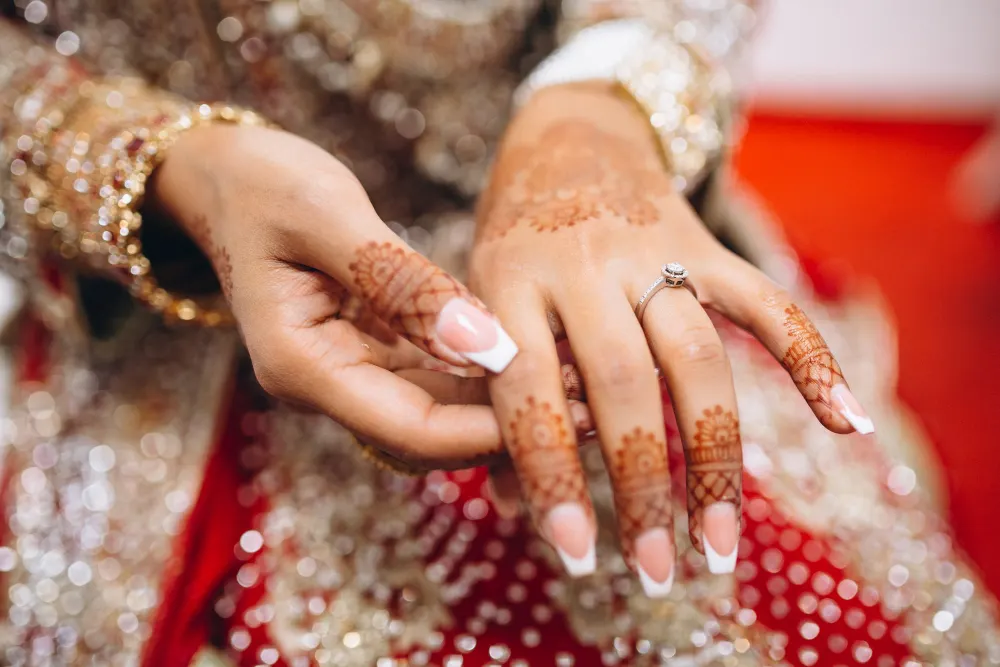
The darkness of the mehendi color is said to reflect the strength of the love between the couple, making it one of the most anticipated pre-wedding rituals.
Haldi: The Golden Glow
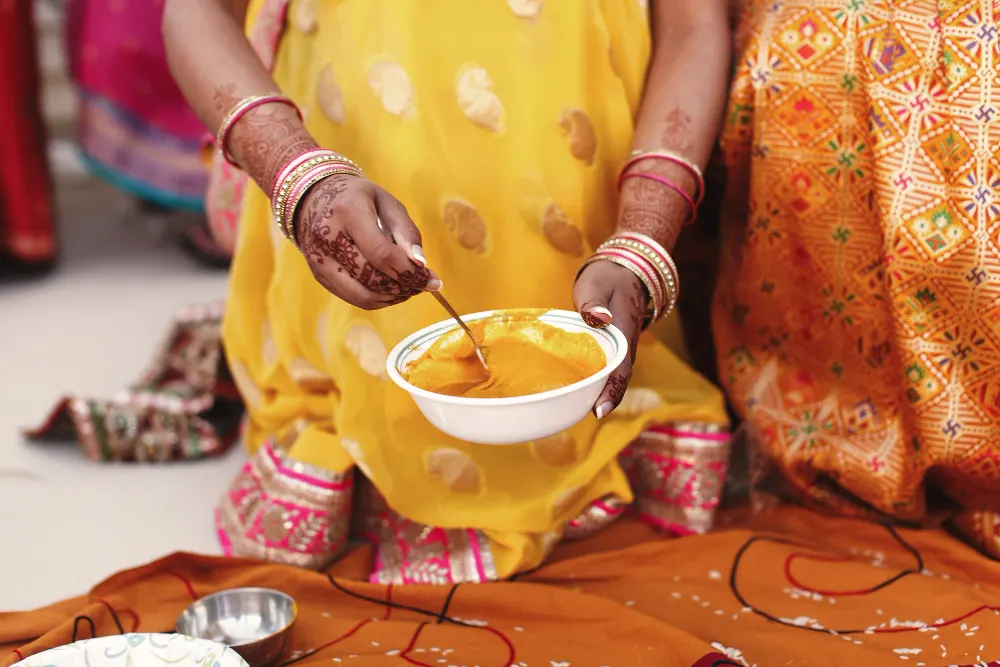
The Haldi ceremony, with its vibrant yellow hues, is both a purification ritual and a joyous celebration. Traditional elements include:
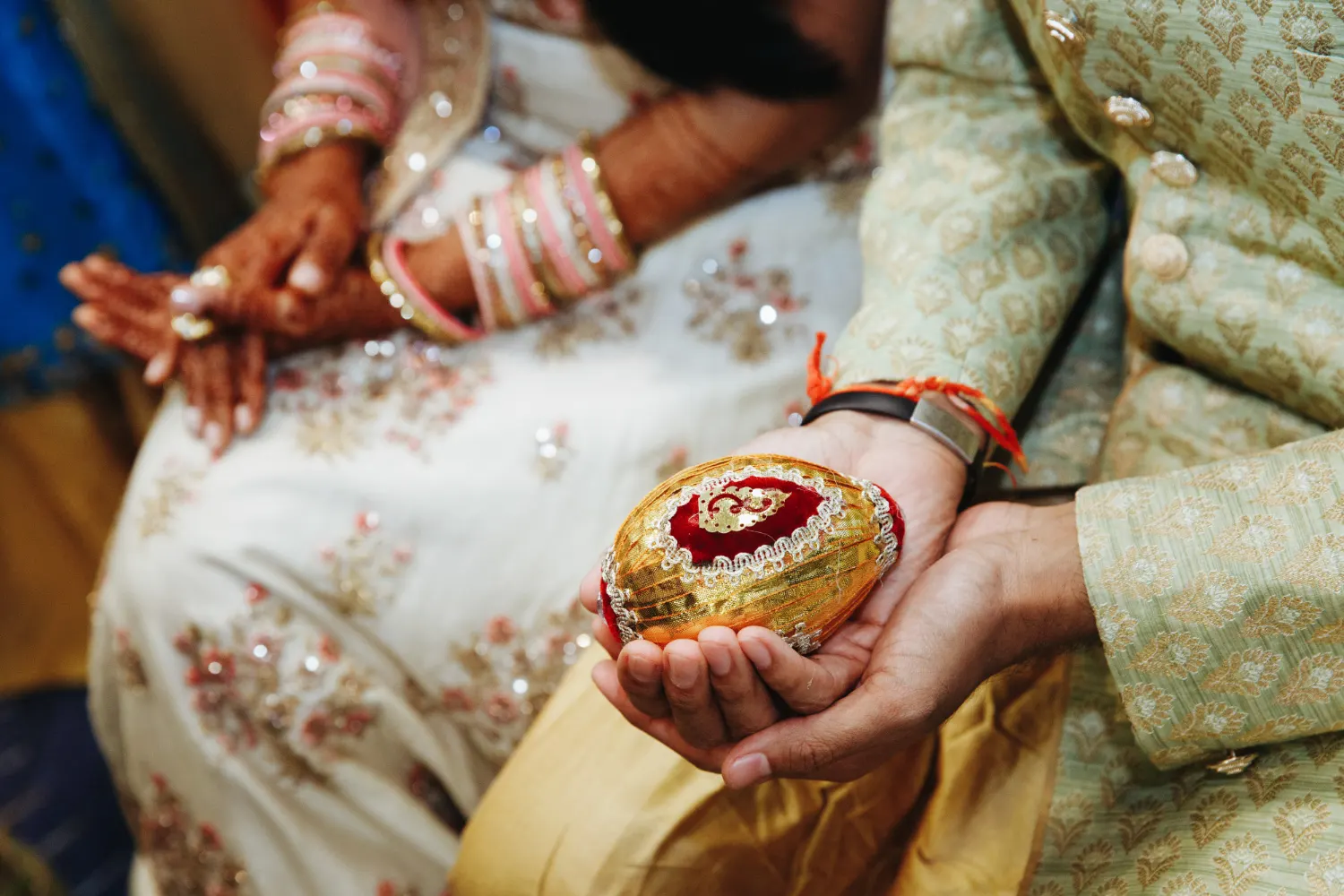

Turmeric paste is applied to both bride and groom in their respective homes before the wedding. This ancient ritual:
- Blesses the couple with prosperity
- Acts as a natural beautifier
- Symbolizes the washing away of past impurities
- Creates a playful, joyful atmosphere before the solemn wedding
Kankupagla: The Sacred Thread
One of the most spiritually significant rituals, the Kankupagla ceremony involves the tying of a sacred thread around the bride's wrist. This ritual:
Spiritual Protection
Believed to ward off negative energies
Marital Bond
Symbolizes the unbreakable bond of marriage
Eternal Connection
Represents the eternal nature of the union
Modern couples often personalize this ritual by incorporating threads from both families' heirloom fabrics or using eco-friendly materials.
Preserving Traditions in Modern Weddings
While many couples wish to honor these traditions, contemporary weddings often adapt them to fit modern lifestyles. Some popular adaptations include:
Regardless of how you choose to adapt these traditions, understanding their significance helps maintain their spiritual essence while making them meaningful for your unique love story.



Ananya Patel
June 18, 2025This guide is exactly what I needed! We're planning our wedding for next year and want to honor traditions while making them our own. The section on Vanarasam was particularly helpful.