
Financial Foundation in 2026
March 15, 2026
Discover the essential steps to create a robust financial plan that withstands market fluctuations and helps you achieve long-term goals.
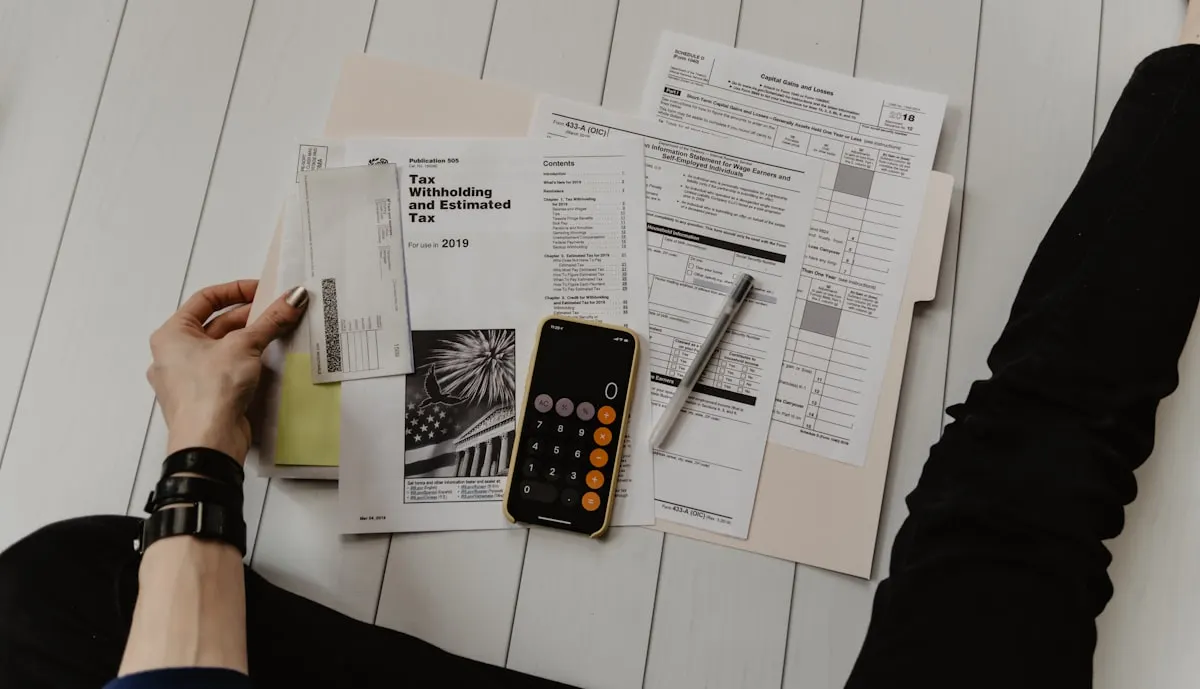
Building a solid financial foundation is more important than ever in today's rapidly changing economic landscape. Whether you're just starting your career or looking to strengthen your existing financial position, these strategies will help you create a resilient plan for 2026 and beyond.
An emergency fund is your financial safety net. Experts recommend having 3-6 months' worth of living expenses saved in a liquid, easily accessible account. This fund should cover:
"The emergency fund isn't for buying the latest gadget or taking a vacation. It's specifically for true emergencies that would otherwise force you into high-interest debt."
High-interest debt can derail even the best financial plans. Implement these strategies:
List your debts from highest to lowest interest rate. Pay minimums on all, then put extra money toward the highest-interest debt. This saves you the most money over time.
List debts from smallest to largest balance. Pay minimums on all, then put extra money toward the smallest balance. This creates psychological wins that keep you motivated.

Don't put all your eggs in one basket. A well-diversified portfolio includes:
Consider your risk tolerance and investment horizon when creating your asset allocation. Younger investors can typically afford more risk, while those nearing retirement should prioritize capital preservation.
Tax-efficient investing can significantly boost your returns:
Proper insurance coverage prevents financial catastrophe:
Financial literacy is an ongoing journey. Stay updated by:
Remember, building wealth is a marathon, not a sprint. Consistency and discipline will serve you better than trying to chase quick returns or market timing.

John Anderson is a Certified Financial Planner with over 15 years of experience in wealth management. He specializes in retirement planning and investment strategies for young professionals.


Comments (12)
Sarah M.
2 days agoThis is exactly what I needed! The emergency fund breakdown was particularly helpful. I've been putting it off for too long.
ReplyMichael T.
1 week agoGreat article! I'd add that automating savings and investments makes it much easier to stay consistent. That's been a game-changer for me.
ReplyJessica L.
2 weeks agoThe tax strategies section was eye-opening. I didn't realize I could be more efficient with my retirement contributions. Thank you!
Reply